

Based on the Vdriven Masterclass presented by Luke Abbott
Better For You 3.0 is the next stage of the better-for-you movement. Shoppers no longer settle for clean labels or trendy ingredients. They want science-backed functional foods that deliver real, measurable benefits.
In our latest Vdriven masterclass, Founder & CEO Luke Abbott explained what this shift means for CPG brands and how to build products today's shoppers are actively looking for.
What Is Better For You 3.0?
Better-for-you products have gone through three clear stages:
| Stage | Focus | What shoppers asked | Example brands |
|---|---|---|---|
| BFY 1.0 | What's not in it | "Is it free of artificial stuff?" | Annie's, RXBAR |
| BFY 2.0 | What's in it | "Does it have functional ingredients?" | Olipop, Poppi |
| BFY 3.0 | Does it deliver? | "Is there enough to actually work?" | Huel, Grüns, Thorne, Dose |
In BFY 1.0, labels like "no sugar" and "no artificial colors" were enough. In BFY 2.0, brands added ingredients like prebiotics and ashwagandha. In BFY 3.0, shoppers want to know how much of each ingredient is in the product, whether that amount is backed by research, and whether they'll feel the difference.
Why Functional Food Trends Are Growing So Fast
The data Luke shared shows a big change in consumer expectations:
- Functional expectations jumped from 4% to 27% among U.S. shoppers between 2018 and 2026.
- Younger shoppers are leading. About two-thirds of Gen Z and millennials buy CPG products for functional nutrition, versus about half of all consumers.
- Convenience matters. If shoppers can get a supplement's benefits from a snack or drink, they may skip the vitamin aisle altogether.
Investors are paying attention too. Some of the biggest recent CPG exits, including Huel, Grüns and Thorne, were brands with science behind their claims.
The Grüns Growth Story
Grüns is one of the clearest BFY 3.0 success stories. According to Luke, the brand:
- Launched direct-to-consumer in August 2023
- Reached a $50 million run rate within a year
- Expanded to Sprouts with Forager Finds displays
- Moved into Target and Walmart in 2025
- Sold an 80% stake to Unilever in 2026
Functional Ingredients Are Moving Into Every Aisle
One of the biggest functional food trends is supplement-style ingredients showing up across the grocery store:
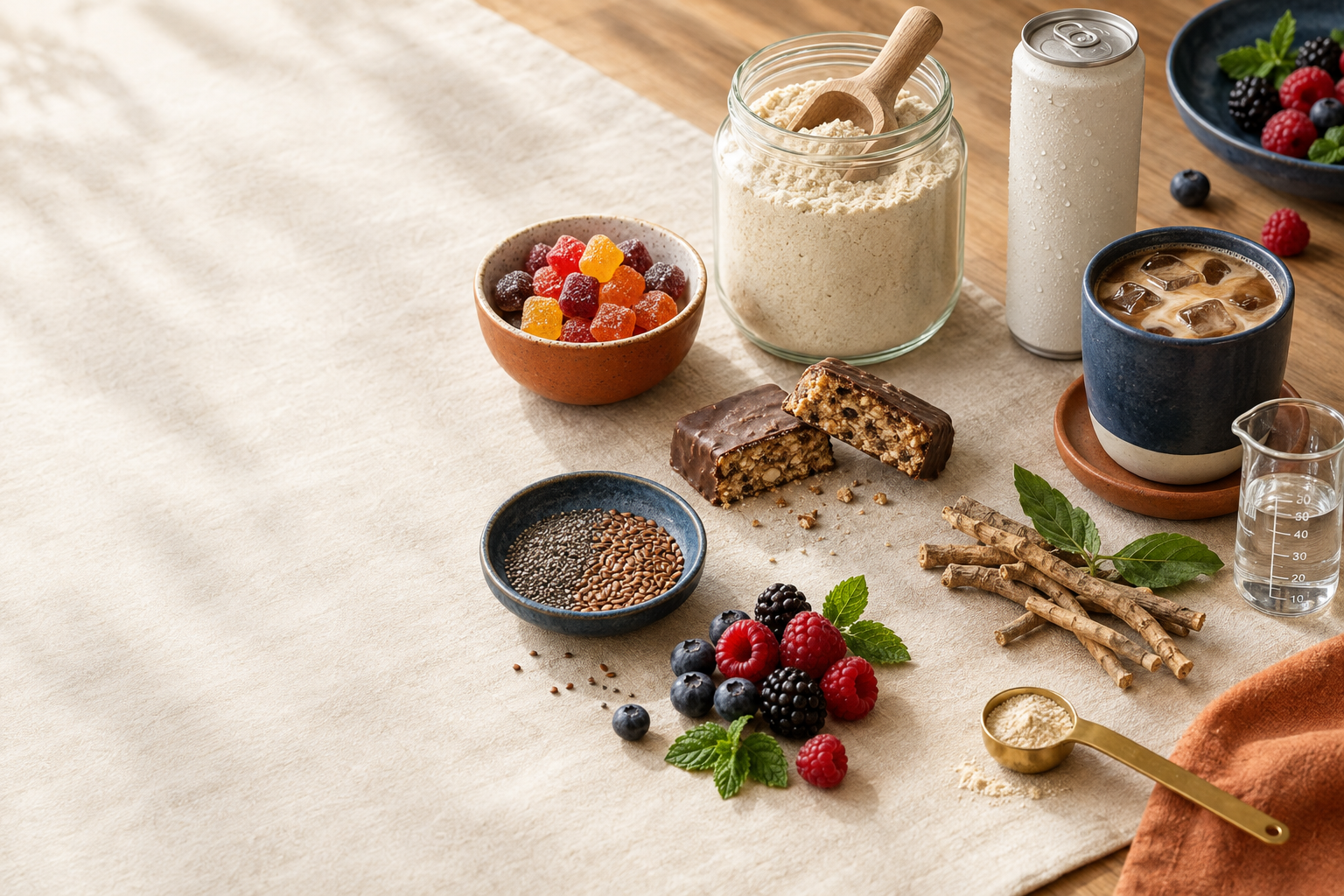
- Snacks: Lioness functional gummies for women launched in Target's snack aisle.
- Protein bars: Mosh bars include Cognizin, a nootropic once found mainly in supplements.
- Beverages: Moment offers "meditation in a can" with ashwagandha and L-theanine.
- Coffee: Vitacup launched a creatine coffee exclusively at Sprouts.
What this means for brands: Shelf placement is getting more complicated. A caffeinated gummy may sell faster in the snack aisle, but some retailers may not want it there. Expect each retailer to decide differently.
Common Mistakes Functional Brands Make
Even brands heading in the right direction can fall short. Watch out for these gaps:
- Not listing doses. Saying "contains zinc" without the amount leaves shoppers guessing.
- Not explaining ingredients. Many shoppers still don't know what adaptogens do.
- Under-dosing. If research supports 250mg and your product has 125mg, shoppers would need two servings to get the benefit.
As shoppers and retail buyers learn more, these gaps will be harder to overlook.
How to Build a Better For You 3.0 Brand: A 6-Point Checklist
Use this checklist to see whether your product is ready for BFY 3.0:
- Define the occasion. What existing habit does your product replace? (Poppi replaced the regular soda moment.)
- Make the benefit credible. Does one serving deliver what you promise?
- Prove the value. Is the benefit worth paying for repeatedly?
- Choose the right channel. Many successful functional brands start direct-to-consumer before moving into retail.
- Plan for repeat purchases. Will shoppers keep buying at the everyday price?
- Never sacrifice taste. Taste and texture still decide whether shoppers come back.
Bonus tip: List ingredient amounts in mg or g on the package, and share the research behind your claims on your website.
Case Study: How Equip Grew Fast at Sprouts
Equip, a beef-protein powder brand, went from $0 to about $100,000 a week at Sprouts nationally in just three months. Here's what worked:
- A Sprouts-exclusive flavor at launch
- Heavy early promotions, including BOGO and percentage-off deals
- A social media gift-card hunt that sent shoppers looking for the product on shelf
- A registered dietitian influencer who added credibility
- Thousands of affiliates creating launch content
Smaller brands can get similar buzz with user-generated content platforms like Hummingbirds.
Tips for Launching a CPG Brand at Sprouts and Other Retailers
- Test before scaling. Start regionally or through Sprouts Forager Finds before committing to hundreds of stores.
- Drive trial early. Use temporary price cuts, digital and printed coupons, in-store demos, and rebate apps like Social Nature.
- Invest in Instacart ads. For a national Sprouts launch, budget about $150–200 a day for the first three to six months.
- Use displays to tell your story. Make the benefit clear in about three seconds. Trial sizes usually beat large, expensive packs.
- Space out promotions. Avoid back-to-back deals, and watch whether sales hold up afterward.
Frequently Asked Questions About Better For You 3.0
What does Better For You 3.0 mean?
Better For You 3.0 is the current stage of the better-for-you category. Shoppers expect products to deliver real, science-backed benefits, not just clean labels or trendy ingredients.
What are the top functional food trends for 2027?
Protein will stay strong, fiber will keep growing, and more products will combine several benefits, such as a protein coffee with added fiber and a nootropic.
Is there still room for clean, simple better-for-you brands?
Yes. Delicious, clean products still have a strong place in the market. Functional benefits matter most for brands aiming to scale fast or raise capital.
How should brands communicate science on packaging?
Lead with taste, then clearly state the functional benefit and the ingredient amount. Use the back of the pack and your website for more detail.
Do coupons build brand loyalty?
Coupons and promotions are key for driving trial in a brand's first few years. Over time, brands should cut back and watch whether sales hold up after each promotion.
Do functional food claims need regulatory review?
Yes. Check whether your ingredients are GRAS (generally recognized as safe), and work with a regulatory expert before making health-related claims.
The Bottom Line
Better For You 3.0 is about proving your product works. The CPG brands that win will pair great taste with transparent, science-backed benefits and explain those benefits quickly on a crowded shelf.